
Christian Therapy and Neuroscience: How Faith and the Brain Work Together
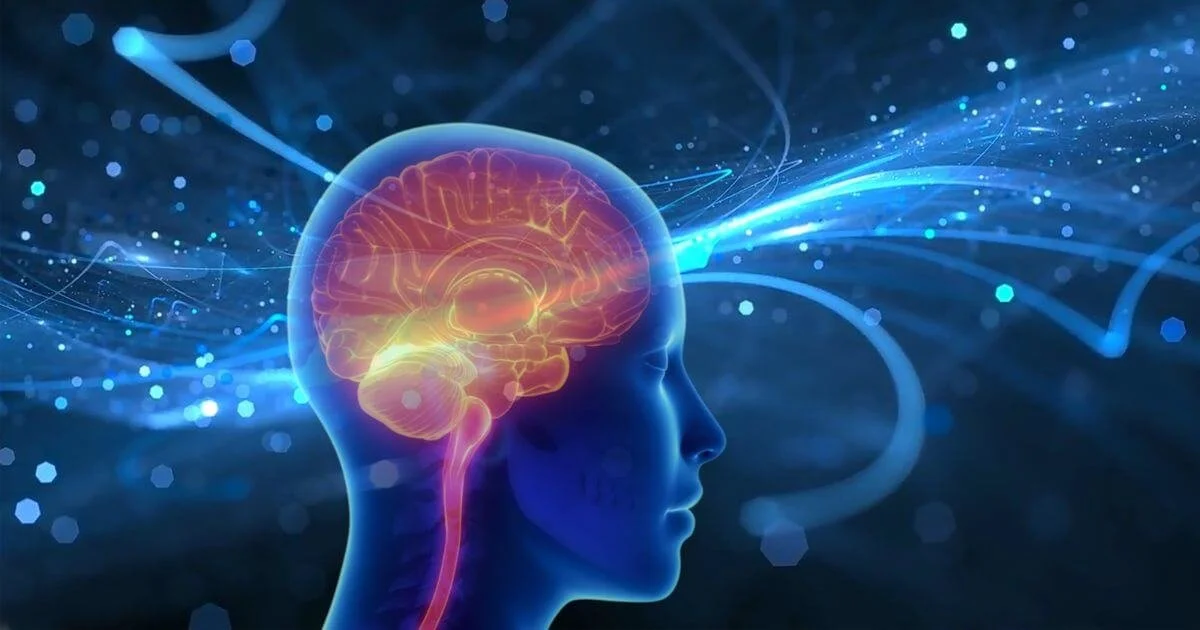
Christian therapy and neuroscience may seem like two separate worlds, but they can work together in meaningful ways. Faith helps many people find comfort, purpose, hope, and a deeper sense of connection with God. Neuroscience helps us understand what is happening in the brain and body when we experience stress, anxiety, grief, trauma, shame, or emotional overwhelm.
For many Christians, this connection is deeply reassuring. You may know Scripture, pray regularly, and trust God, but still feel anxious, reactive, exhausted, or stuck in painful thought patterns. You may believe in peace but struggle to feel peaceful in your body. You may know you are loved by God but still battle self-criticism, fear, or shame.
Christian therapy and neuroscience offer a compassionate way to understand that struggle. Emotional healing is not only a matter of willpower. It is not simply about knowing the right verse or praying with more intensity. Human beings are created with minds, bodies, nervous systems, relationships, memories, and spiritual lives that all affect one another.
At Inner Life Therapy, Anita Webster, LCSW, provides faith-based, evidence-based care for women who want professional mental health support without separating their emotional healing from their Christian faith. Her work recognizes that therapy can honor both clinical understanding and spiritual truth. Christian therapy and neuroscience can help clients better understand their inner world while also making room for God’s compassion, presence, and care.
What Do Christian Therapy and Neuroscience Have in Common?
Christian therapy and neuroscience both pay attention to how people change. Neuroscience helps explain how the brain responds to experiences, learns patterns, and adapts over time. Christian therapy helps clients explore emotional pain, relational patterns, spiritual beliefs, and practical tools for healing.
The connection between the two is not about reducing faith to brain chemistry. It is also not about replacing clinical care with spiritual language. Instead, Christian therapy and neuroscience can work together by helping clients understand how thoughts, emotions, bodies, relationships, and faith interact.
A client may come to therapy because she feels anxious all the time. Neuroscience can help explain how chronic stress affects the nervous system, why the body may stay on high alert, and why calming down is not always immediate. Christian therapy can help her explore how fear, trust, surrender, prayer, Scripture, and her understanding of God are connected to that experience.
Another client may struggle with shame. Neuroscience can help explain how repeated emotional experiences can strengthen certain thought patterns. Christian therapy can help her examine the spiritual and emotional roots of shame while slowly practicing a new way of relating to herself.
When combined thoughtfully, Christian therapy and neuroscience help clients see that healing is not only about trying harder. Healing often involves learning new patterns of safety, truth, connection, regulation, and compassion over time.
How the Brain Learns Emotional Patterns
The brain is shaped by repeated experiences. Over time, the brain learns what to expect from relationships, conflict, uncertainty, mistakes, rejection, and safety. These learned patterns can influence how a person thinks, feels, and responds.
For example, someone who grew up in a critical environment may learn to expect disapproval. Even as an adult, a small mistake may trigger intense shame or fear. Someone who experienced unpredictable relationships may become highly sensitive to changes in tone, delayed responses, or signs of distance. Someone who was praised mainly for achievement may feel anxious when they are not being productive.
These patterns are not signs of weakness. They are often the brain and nervous system trying to protect the person based on what has been learned in the past.
Christian therapy and neuroscience can help clients understand these patterns with compassion. Instead of asking, “Why am I like this?” therapy creates room to ask, “What did my brain and body learn, and what new patterns might help me heal?”
This matters because emotional responses often happen before a person has time to think clearly. The body may react to a situation as threatening even when the mind knows the person is safe. Therapy helps clients slow down, notice what is happening, and gradually build new responses.
Neuroplasticity and the Hope of Change
Neuroplasticity refers to the brain’s ability to adapt, reorganize, and form new connections. This is one reason change is possible. The patterns you have learned are real, but they are not necessarily permanent.
This is a hopeful concept for therapy because many clients come in feeling stuck. They may believe they will always be anxious, always overthink, always people-please, always shut down, or always feel unworthy. Christian therapy and neuroscience can help clients understand that the brain can learn new ways of responding through repeated practice, safety, and support.
This does not mean healing is instant. New patterns usually develop gradually. A person may practice pausing before reacting, naming emotions instead of suppressing them, challenging shame-based thoughts, setting boundaries, or bringing distress to God in a more honest way. Each repeated practice can become part of a new emotional pathway.
For Christians, neuroplasticity can also connect meaningfully with the idea of renewal. Renewing the mind is not only about thinking positive thoughts. It can involve learning to notice fear, shame, or self-criticism and respond with truth, grace, and support. It can involve allowing the body to experience safety instead of only knowing truth intellectually.
Christian therapy and neuroscience together remind us that change is possible, but it usually requires patience. The brain often needs repeated experiences of safety and compassion before it begins to trust a new pattern.
The Nervous System and Spiritual Life
The nervous system affects how we experience ourselves, relationships, and even spiritual practices. When the body is calm and regulated, it may be easier to reflect, pray, listen, connect, and make thoughtful decisions. When the nervous system is overwhelmed, those same practices may feel much harder.
Stress activates the body to respond to demand or danger. Heart rate may increase, breathing may become shallow, muscles may tense, and attention may narrow. In this state, the body is focused on protection. This can make it difficult to feel spiritually grounded, even when faith is still present.
A person may try to pray and feel distracted. She may try to read Scripture and feel unable to absorb the words. She may sit in church and feel numb, tense, or disconnected. These experiences can create guilt, especially when someone assumes spiritual practices should always create immediate peace.
Christian therapy and neuroscience help clients understand that spiritual disconnection may sometimes be connected to nervous system overwhelm. This does not mean God is absent. It may mean the body is exhausted, activated, or struggling to feel safe.
At Inner Life Therapy, Anita helps clients explore these experiences without shame. Therapy can help women develop tools to regulate the nervous system while also exploring faith in a gentler, more compassionate way.
Why Knowing the Truth Does Not Always Make You Feel Calm
Many Christians know biblical truth intellectually but still struggle to feel calm emotionally. This gap can be painful. A person may know that God cares for her, but her body still feels afraid. She may know that she is forgiven, but shame still rises quickly. She may know that she is not alone, but grief or anxiety still makes her feel isolated.
This does not mean the truth is not real. It means the nervous system, memory, and emotional learning may need time to catch up with what the mind believes.
Christian therapy and neuroscience can help bridge this gap. Therapy gives clients a place to explore the difference between intellectual belief and embodied experience. Instead of pressuring clients to feel calm immediately, therapy helps them understand what makes calm difficult.
For example, a woman may believe God is loving, but if her earliest relationships taught her that love was unpredictable, her body may still brace for rejection. She may believe that rest is biblical, but if she learned that worth depends on productivity, slowing down may feel threatening. She may believe that grace is real, but if she has lived under perfectionism for years, receiving grace may feel unfamiliar.
Christian therapy does not shame clients for this gap. It helps them work with it patiently. Over time, clients can begin experiencing faith not only as something they believe, but as something that supports emotional safety and healing.
How Therapy Helps Rewire Thought Patterns
Thought patterns can become familiar pathways in the brain. If a person repeatedly thinks, “I am not enough,” “Something bad is going to happen,” “I cannot disappoint anyone,” or “I have to handle everything alone,” those thoughts may begin to feel automatic.
Christian therapy and neuroscience help clients understand that automatic thoughts are not always accurate thoughts. They may be old, protective, distorted, or shaped by fear. Therapy can help clients notice these thoughts, evaluate them, and practice responding differently.
Cognitive behavioral therapy is one evidence-based approach that helps people explore the connection between thoughts, emotions, and behaviors. A therapist may help a client identify patterns such as catastrophizing, mind-reading, all-or-nothing thinking, or personalizing. Once the pattern is recognized, the client can begin practicing more balanced responses.
Faith can be integrated into this process when it is meaningful to the client. A client may ask whether a thought aligns with truth, grace, wisdom, or her understanding of God. She may explore whether her inner voice reflects compassion or condemnation. She may notice when fear is pretending to be responsibility.
This is not about forcing positive thinking. It is about learning to recognize thoughts that increase distress and practicing responses that are more honest, compassionate, and grounded.
Prayer, Scripture, and the Brain
Prayer and Scripture can be meaningful spiritual practices, and they may also support reflection, attention, emotional regulation, and connection. When practiced slowly and compassionately, they can help some clients pause, name what they are carrying, and return to a sense of God’s presence.
This does not mean prayer is a guaranteed cure for anxiety, depression, trauma, or stress. It also does not mean Scripture should be used to bypass emotional pain. Spiritual practices can become harmful when they are used to silence grief, rush forgiveness, or pressure someone into appearing peaceful before they have been cared for.
Christian therapy and neuroscience support a more thoughtful approach. Prayer may help a client slow down and honestly name fear, sadness, resentment, or exhaustion before God. Scripture may help a client reflect on compassion, rest, identity, or hope in a way that supports emotional healing. Lament may help a client bring pain into relationship with God instead of burying it.
Research on prayer, meditation, and spiritual practices suggests that these experiences involve brain systems related to attention, emotion, social connection, and meaning. For Christian therapy, the important takeaway is not that faith can be reduced to neural activity. Rather, spiritual practices are embodied experiences. They involve the mind, body, emotions, relationships, and nervous system.
At Inner Life Therapy, Anita may incorporate prayer or Scripture when the client wants those practices included. The goal is to use faith as a support for healing, not as a way to dismiss pain.
Emotional Regulation Through Faith and Clinical Care
Emotional regulation is the ability to notice, understand, and respond to emotions without being completely controlled by them. It does not mean suppressing feelings or pretending to be calm. It means developing the capacity to stay connected to yourself, your values, and your choices when emotions are strong.
Christian therapy and neuroscience both support emotional regulation. Neuroscience helps clients understand why the body may react quickly under stress. Therapy helps clients practice tools that calm the nervous system and build healthier responses. Faith can help clients connect with God’s presence, compassion, and truth in the middle of emotional intensity.
A client may learn to recognize early signs of dysregulation, such as tension, racing thoughts, irritability, numbness, or the urge to withdraw. She may practice grounding, breathing, thought reframing, boundary-setting, or communication skills. She may also explore prayer, Scripture reflection, or spiritual truths that help her feel less alone.
This integrated approach is especially helpful for clients who have felt shame about their emotions. They may have believed that anger, sadness, fear, or overwhelm meant something was wrong with them spiritually. Christian therapy can help clients see emotions as signals to understand rather than enemies to defeat.
Trauma, Memory, and the Body
Trauma can affect the brain, body, relationships, and spiritual life. A person who has experienced trauma may feel unsafe even when the present moment is not dangerous. Certain sounds, expressions, conflicts, anniversaries, places, or sensations may activate distress before the person fully understands why.
This is because trauma is not only remembered as a story. It can also be carried in the nervous system. The body may respond quickly to cues that resemble past danger. A client may feel panic, numbness, anger, shame, or disconnection without knowing exactly what triggered the response.
Christian therapy and neuroscience can help clients approach trauma responses with compassion. Instead of treating symptoms as spiritual weakness or personal failure, therapy helps clients understand how the body learned to survive. Trauma-informed care moves carefully, respects the client’s pace, and supports safety.
Faith can also be complicated after trauma. Some clients feel abandoned by God. Some feel angry, confused, or spiritually numb. Others struggle with religious messages that made them feel responsible for what happened or pressured them to forgive too quickly.
At Inner Life Therapy, Christian therapy can create room for both clinical healing and spiritual honesty. Clients do not have to minimize pain in order to protect faith. They can bring trauma, doubt, grief, and questions into the therapy space with care.
Shame, Identity, and the Brain
Shame can become deeply patterned. When a person repeatedly experiences criticism, rejection, failure, exclusion, or conditional love, the brain may begin to expect shame before anything has even happened. A small mistake may feel like proof of unworthiness. A difficult conversation may feel like rejection. A boundary may feel like selfishness.
Christian therapy and neuroscience help clients understand shame as both an emotional and relational experience. Shame often says, “Something is wrong with me.” It can make people hide, overperform, apologize excessively, avoid connection, or become harsh with themselves.
Faith can be a powerful part of healing shame, but only when it is approached with compassion. Some clients have heard religious messages that deepened shame rather than relieved it. They may know the language of grace but still feel emotionally trapped in condemnation.
Christian therapy helps clients examine these patterns. A client may explore where shame began, what triggers it now, and how it affects relationships with self, others, and God. Therapy may help the client practice a new internal response that is rooted in truth and compassion instead of fear.
This work takes time because shame can feel familiar, even when it is painful. Christian therapy and neuroscience offer hope that the brain and heart can learn new patterns of identity, safety, and belonging.
How Relationships Shape the Brain
Human beings are relational. The brain develops and changes through relationships, especially relationships that communicate safety, consistency, care, and repair. This is one reason the therapeutic relationship itself can be meaningful.
Many emotional patterns are shaped by early relationships. If a person experienced dependable care, they may find it easier to trust, ask for help, and recover after conflict. If a person experienced criticism, neglect, unpredictability, or emotional distance, they may struggle with closeness, boundaries, self-worth, or fear of rejection.
Christian therapy and neuroscience help clients understand how relational history may affect present relationships. A client may notice that she becomes anxious when someone seems distant, shuts down when conflict begins, or overfunctions to keep relationships stable.
Therapy provides a safe place to explore these patterns and practice new ones. Over time, clients may learn to communicate needs more clearly, tolerate conflict without panic, set boundaries, and receive care without feeling guilty.
Faith can also be part of this relational healing. Clients may explore how early attachment experiences influenced their view of God, whether God feels near or distant, and how spiritual truth can support a more secure sense of belonging.
Renewing the Mind Through Christian Therapy
Renewing the mind is often understood as changing thoughts, but in therapy, it can be understood more deeply. It may involve noticing old mental patterns, understanding where they came from, and practicing new responses that align with truth, wisdom, and grace.
Christian therapy and neuroscience help clients see that renewing the mind is not about shaming themselves into better thinking. It is not about pretending pain never happened. It is not about using Scripture to silence emotions. It is about creating new patterns of awareness, response, and trust.
A client may renew her mind by recognizing that a fear-based thought is not the same as truth. She may practice responding to mistakes with compassion instead of self-punishment. She may begin setting boundaries because she understands that love does not require self-abandonment. She may learn to rest because her worth is not dependent on constant productivity.
These changes may seem small at first, but they matter. Repeated over time, they can support new emotional and relational patterns. Christian therapy provides support, structure, and accountability for this process while honoring the client’s faith.
What Christian Therapy and Neuroscience Can Help With
Christian therapy and neuroscience can support clients working through a wide range of concerns. This integrated approach may be especially helpful when emotional patterns feel confusing, intense, or difficult to change alone.
Clients may seek support for anxiety, chronic stress, emotional regulation, trauma, grief, shame, low self-worth, perfectionism, people-pleasing, relationship struggles, boundaries, burnout, church hurt, or spiritual disconnection. These concerns often involve both emotional experience and nervous system patterns.
For example, anxiety may involve fearful thoughts, physical stress responses, and spiritual questions about trust. Burnout may involve chronic stress, lack of boundaries, perfectionism, and beliefs about service or worth. Shame may involve old relational wounds, self-critical thought patterns, and difficulty receiving grace.
Christian therapy helps clients understand these layers together. Rather than treating faith as separate from emotional health, therapy allows the whole person to be cared for.
What This Looks Like at Inner Life Therapy
At Inner Life Therapy, Anita Webster, LCSW, integrates faith-based and evidence-based care in a way that honors each client’s needs, goals, and comfort level. Christian therapy and neuroscience are not used as abstract concepts. They become practical tools for helping clients understand what is happening internally and what healing may require.
Clients can expect a compassionate, collaborative space where emotional pain is not dismissed or over-spiritualized. Anita helps clients explore stress responses, thought patterns, emotions, relationships, boundaries, and spiritual concerns with care.
Therapy may include nervous system education, cognitive and emotional tools, reflection on relationship patterns, coping skills, and faith-based support. Prayer or Scripture may be included when the client wants those practices incorporated. The client’s comfort and goals help guide the process.
This approach is especially meaningful for women who want professional mental health care that respects their Christian faith. At Inner Life Therapy, clients do not have to choose between clinical support and spiritual values. They can bring their whole selves into the therapy space.
Frequently Asked Questions About Christian Therapy and Neuroscience
What does Christian therapy and neuroscience mean?
Christian therapy and neuroscience refers to an approach that honors both Christian faith and what we understand about the brain, body, emotions, and nervous system. It helps clients explore mental health concerns through both clinical insight and spiritual sensitivity.
At Inner Life Therapy, Anita Webster, LCSW, uses this kind of integrated approach to support women who want faith-based, evidence-based care. Therapy may include practical emotional health tools along with prayer, Scripture, or spiritual reflection when the client wants those practices included.
Does Anita Webster use evidence-based therapy methods?
Yes. Anita Webster is a Licensed Clinical Social Worker who integrates evidence-based clinical care with a faith-based perspective at Inner Life Therapy. Her work recognizes that emotional healing may involve thought patterns, nervous system responses, relationships, trauma, stress, and spiritual beliefs.
Faith does not replace professional therapeutic care. Instead, faith may be included as a meaningful source of support within a clinically informed therapy process.
Can neuroscience and Christian faith work together?
Yes. Neuroscience and Christian faith can work together when each is understood with care. Neuroscience helps explain how the brain and nervous system respond to stress, safety, relationships, and repeated experiences. Christian faith offers meaning, hope, identity, connection, and spiritual support.
Christian therapy does not reduce faith to the brain, and it does not ignore clinical understanding. It allows both perspectives to inform a whole-person approach to healing.
Does brain science contradict faith?
Brain science does not have to contradict faith. For many Christians, learning about the brain can deepen compassion for how God created human beings. The brain and nervous system are part of the body, and caring for them can be one aspect of caring for the whole person.
At Inner Life Therapy, Anita helps clients understand emotional and nervous system responses without shame. This can make faith feel less like pressure and more like support.
Can prayer help emotional regulation?
Prayer may help emotional regulation when it is used thoughtfully and compassionately. Slow, honest prayer can help clients pause, name what they are feeling, and reconnect with God’s presence.
Prayer should not be used to force calm, deny pain, or replace needed clinical care. Anita works collaboratively with clients to determine whether and how prayer should be included in therapy.
Can Christian therapy help rewire negative thought patterns?
Christian therapy can help clients identify and change negative thought patterns through clinical tools and faith-based reflection. Over time, clients may learn to recognize thoughts rooted in fear, shame, perfectionism, or past experiences and practice more compassionate, truthful responses.
This process connects with neuroplasticity because the brain can learn new patterns through repeated practice. Change usually happens gradually, with support and consistency.
What if I believe biblical truth but still feel anxious or ashamed?
Many people intellectually believe biblical truth but still struggle to feel calm, safe, or worthy. This does not mean they are failing spiritually. It may mean their nervous system, emotional memory, or relational history is still shaped by past experiences.
Christian therapy and neuroscience can help clients explore this gap with compassion. Therapy can support healing so truth becomes more emotionally accessible over time.
Can Christian therapy and neuroscience help with trauma?
Yes. Christian therapy and neuroscience can help clients understand how trauma affects the brain, body, emotions, relationships, and spiritual life. Trauma-informed care helps clients move at a safe pace and understand survival responses without shame.
At Inner Life Therapy, Anita provides a compassionate space where clients can bring emotional pain, spiritual questions, and trauma responses into therapy without being judged or rushed.
Will Anita use Scripture during therapy?
Scripture may be included when the client wants it to be part of therapy. Some clients find Scripture reflection meaningful, while others prefer to focus mainly on clinical tools while knowing their faith is respected.
Anita works collaboratively with each client to understand how faith should be incorporated. Scripture should support healing and reflection, not silence emotions or pressure clients into quick answers.
How do I know if Inner Life Therapy is a good fit?
Inner Life Therapy may be a good fit if you want to work with a Licensed Clinical Social Worker who integrates Christian faith with evidence-based mental health care. Anita Webster, LCSW, supports women who want to understand their emotional patterns, nervous system responses, relationships, and spiritual life in a compassionate therapy space.
A good fit should feel collaborative, respectful, and emotionally safe. Clients should be able to bring difficult emotions, questions, doubts, and faith into therapy without fear of shame.
Healing the Mind, Body, and Spirit
Christian therapy and neuroscience offer a compassionate framework for understanding emotional healing. You are not only a mind. You are not only a body. You are not only a set of spiritual beliefs. You are a whole person whose thoughts, emotions, nervous system, relationships, memories, and faith all matter.
When emotional patterns feel difficult to change, it does not mean you are broken or spiritually weak. It may mean your brain and body learned ways to protect you that no longer serve your healing. With support, those patterns can be understood and gently reshaped.
Faith-based, evidence-based therapy can help you bring your whole self into the healing process. It can help you understand why you respond the way you do, practice new ways of thinking and relating, and experience faith as a source of comfort rather than pressure.
At Inner Life Therapy, Anita Webster, LCSW, helps women explore emotional healing through both clinical insight and Christian compassion. Christian therapy and neuroscience can work together to support greater peace, resilience, self-understanding, and connection with God.